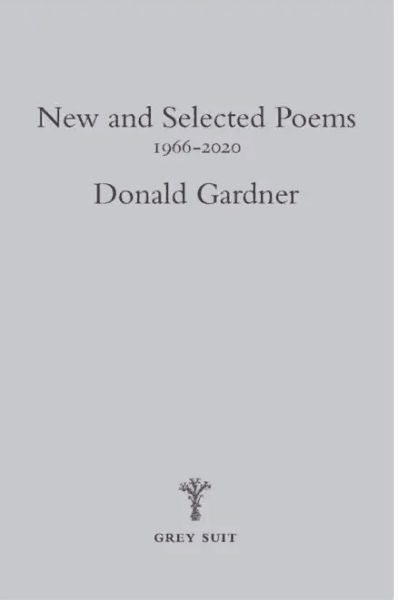
New and selected poems 1966-2020

HARDLY NEWS

It’s hardly news to anyone
with eyes to see 
that the end of the world is at hand.

The signs have long been there, 
but we still have to eat 
even if the food tastes of nothing,

so we made ourselves make something,
fried potatoes, some salad leaves,
no dressing, and a bit of fish,

its provenance unknown,
sell-by date yesterday.
The supermarket

was clearing its stock,
uncertain there’d be 
any fresh deliveries.

Not what you’d call appetizing,
so we gobbled it down 
in a hurry, anxious

not to be caught out
by the end of the world
with our mouths full. 


Hardly News originally
appeared in The Spectator.

———————————————————


THE WHITE COCKATOO

We’re in the station
restaurant in Amsterdam,
that looks out on platform two.

It’s the scene of our first date.
The white cockatoo is still there
after twenty years,
 on its perch by the bar,
looking like a bird that’s seen too much.

We come here for the art nouveau interior
and the romantic angst 
of a railway station grand café.
Hardly for the service,
though that has a certain
entertainment value.

That first time 
our magret de canard arrived cold
after forty-five minutes,
as if they’d had to embalm it.

Yet we hardly noticed the delay,
holding hands across the table, and I thought
isn’t this wonderful. 

But today I’m looking out of the window,
where a train is just leaving 
and it is as if the restaurant
is pulling out, not the train,
leaving the platform of
certainties and a secure life.

Just then
the cockatoo flaps on its perch
and utters a cry
like a guard’s whistle,
and I stand up and wave
at the station we are leaving, 
and at past and future at once.
And then I sit down again.

And you give me that old-
fashioned look of yours
I first saw 
twenty years ago.

The White Cockatoo was
originally published in Skylight 47.
HARDLY NEWS

It’s hardly news to anyone

with eyes to see 

that the end of the world is at hand.


The signs have long been there, 

but we still have to eat 

even if the food tastes of nothing,


so we made ourselves make something,

fried potatoes, some salad leaves,

no dressing, and a bit of fish,


its provenance unknown,

sell-by date yesterday.

The supermarket


was clearing its stock,

uncertain there’d be 

any fresh deliveries.


Not what you’d call appetizing,

so we gobbled it down 

in a hurry, anxious


not to be caught out

by the end of the world

with our mouths full. 


Hardly News originally appeared in The Spectator.


———————————————————


THE WHITE COCKATOO


We’re in the station restaurant in Amsterdam,
that looks out on platform two.

It’s the scene of our first date.
The white cockatoo is still there
after twenty years,
on its perch by the bar,
looking like a bird that’s seen too much.

We come here for the art nouveau interior
and the romantic angst 
of a railway station grand café.
Hardly for the service,
though that has a certain
entertainment value.

That first time 
our magret de canard arrived cold
after forty-five minutes,
as if they’d had to embalm it.

Yet we hardly noticed the delay,

holding hands across the table, and I thought
isn’t this wonderful. 

But today I’m looking out of the window,
where a train is just leaving 
and it is as if the restaurant
is pulling out, not the train,
leaving the platform of
certainties and a secure life.

Just then
the cockatoo flaps on its perch
and utters a cry
like a guard’s whistle,
and I stand up and wave
at the station we are leaving, 
and at past and future at once.
And then I sit down again.

And you give me that old-
fashioned look of yours
I first saw 
twenty years ago.

The White Cockatoo was originally published in Skylight 47.

Black and white portrait of Donald Gardner seated indoors

This fantastic book collects Donald Gardner’s poetry from 1966 to 2020. Which means from the total explosion of Western culture in the sixties until now. Donald is part of that, as one of the first Beat Poets.

His poetry is very accessible and easy to read. Almost like prose, which, sometimes, it is. So, no hermetic texts you can’t understand.

Besides, the author used to perform his poetry as Spoken Word or theatre. And I was privileged to see his “Chicken with Madness”.

The arrangement of the sentences is almost always varied, which makes reading comfortable and adventurous.

Donald Gardner's poetry is also rich in philosophical and observational ideas.

I loved this book,

Walter Joris

Black and white portrait of Donald Gardner seated indoors

Create a free website with Framer, the website builder loved by startups, designers and agencies.