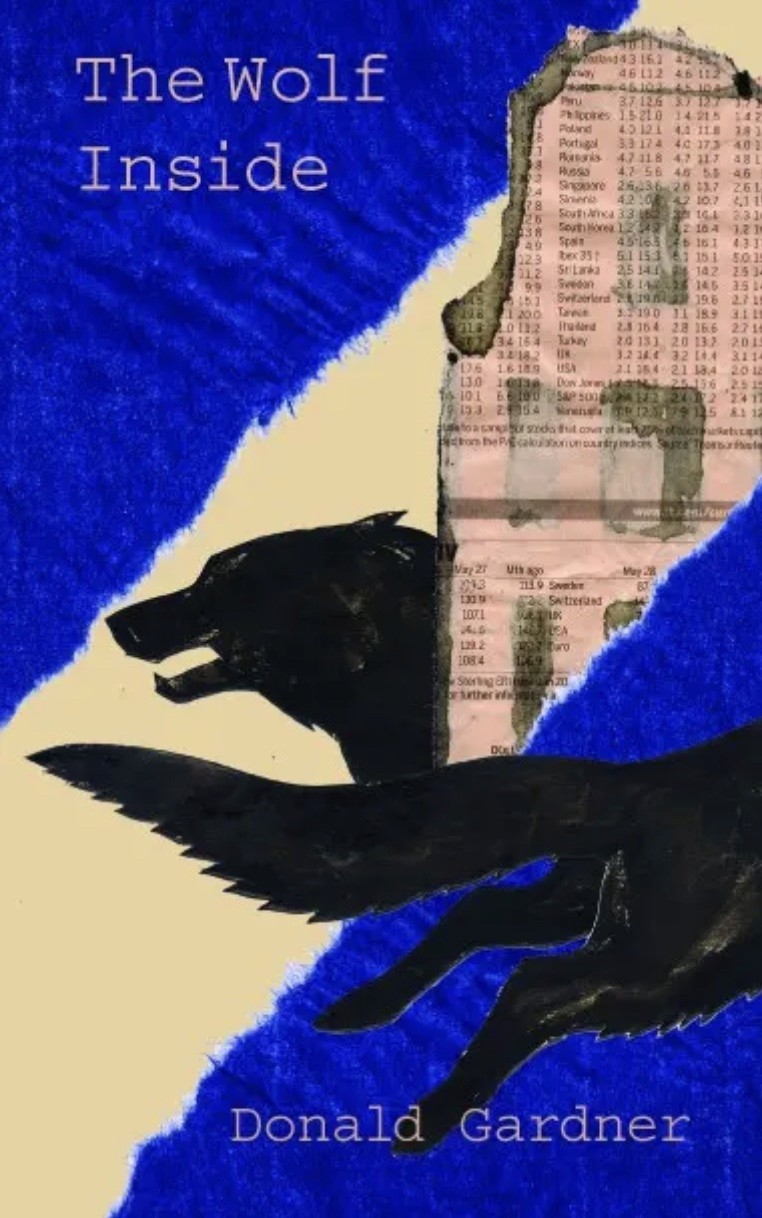
The Wolf Inside
DEAD POETS’ QUARTER
After he died
they named a street after him.
A brief ceremony.
His ex-wife
did the right thing
and put in an appearance,
as did a handful of friends,
drunk and unhappy,
and some neighbourhood kids,
their game interrupted,
and their dog,
a forlorn little mutt.
A couple of former mistresses
hovered on the edge of the gathering.
keeping a weather eye on each other.
And, like them, the weather was wintry,
so proceedings were
held to a minimum
with a few words
from the chairperson
of the local arts department,
“He did so much for poetry.
He made it accessible
to ordinary people,”
which was more
than could be said
of the street,
one of a series
of gaps between houses
in a new development
at the end of a bus route
where the grey blocks march
in the middle distance,
given names
to guide the visitor
through the grid-plan maze.
They’d run out of explorers
and nineteenth-century statesmen.
so they dubbed it ‘the poets’ quarter’.
It was the turn of the poets.
Surprised at so much attention,
they turned in their graves.
One of them
was even overheard muttering,
“It’s almost worth being dead for.”
——————————————-
IN THE ALDER THICKET
Choreography of kingcups
splayed out
as if flung by a hand
across the strip of meadow by the pool
where the ducks wait
their turn
digging deep in their feathers
for ticks
and further on, a coot, white-billed, long-legged,
stalking demurely to the pool,
like a Victorian lady with girded drawers.
Two trains cross
and a runner speeds by.
I’m lost to the world; no,
it’s more that, neither sleeping nor waking,
I become the world, feel its slow turn.
(A couple go past,
a woman with headdress
and her husband scolding her.
The ducks make their escape; she
goes off and sits on a bench, head bowed.)
In the first touch of summer, you surmise its end –
dusty August, late afternoon,
a heat haze dumbfounds the blue,
while thunder peals along the horizon,
like a set of bowling balls,
or a plane circling off course
lost to all runways.
Parched grass.
This is my secret garden
where I disappear for an afternoon,
yet even here
I feel the city drawing near.
Amsterdam
spread out behind me like a carpet,
threadbare, the pattern faded, frayed at the edges.
Silence hemmed in by sounds.
Voices of passers-by
distant as voices in a dream.
A plane homing in low to Schiphol airport
and then there is the sound of silence,
that even the shrill piping of insects
or the moorhen’s splash as it somersaults,
hardly disturbs.
‘In the Alder Thicket’ originally appeared in an anthology, ‘The Book of Hope and Dreams’ (Bluechrome, 2006, ed. Dee Rimbaud).
DEAD POETS’ QUARTER
After he died
they named a street after him.
A brief ceremony.
His ex-wife
did the right thing
and put in an appearance,
as did a handful of friends,
drunk and unhappy,
and some neighbourhood kids,
their game interrupted,
and their dog,
a forlorn little mutt.
A couple of former mistresses
hovered on the edge of the gathering.
keeping a weather eye on each other.
And, like them, the weather was wintry,
so proceedings were
held to a minimum
with a few words
from the chairperson
of the local arts department,
“He did so much for poetry.
He made it accessible
to ordinary people,”
which was more
than could be said
of the street,
one of a series
of gaps between houses
in a new development
at the end of a bus route
where the grey blocks march
in the middle distance,
given names
to guide the visitor
through the grid-plan maze.
They’d run out of explorers
and nineteenth-century statesmen.
so they dubbed it ‘the poets’ quarter’.
It was the turn of the poets.
Surprised at so much attention,
they turned in their graves.
One of them
was even overheard muttering,
“It’s almost worth being dead for.”
——————————————-
IN THE ALDER THICKET
Choreography of kingcups
splayed out
as if flung by a hand
across the strip of meadow by the pool
where the ducks wait
their turn
digging deep in their feathers
for ticks
and further on, a coot, white-billed, long-legged,
stalking demurely to the pool,
like a Victorian lady with girded drawers.
Two trains cross
and a runner speeds by.
I’m lost to the world; no,
it’s more that, neither sleeping nor waking,
I become the world, feel its slow turn.
(A couple go past,
a woman with headdress
and her husband scolding her.
The ducks make their escape; she
goes off and sits on a bench, head bowed.)
In the first touch of summer, you surmise its end –
dusty August, late afternoon,
a heat haze dumbfounds the blue,
while thunder peals along the horizon,
like a set of bowling balls,
or a plane circling off course
lost to all runways.
Parched grass.
This is my secret garden
where I disappear for an afternoon,
yet even here
I feel the city drawing near.
Amsterdam
spread out behind me like a carpet,
threadbare, the pattern faded, frayed at the edges.
Silence hemmed in by sounds.
Voices of passers-by
distant as voices in a dream.
A plane homing in low to Schiphol airport
and then there is the sound of silence,
that even the shrill piping of insects
or the moorhen’s splash as it somersaults,
hardly disturbs.
‘In the Alder Thicket’ originally appeared in an anthology, ‘The Book of Hope and Dreams’ (Bluechrome, 2006, ed. Dee Rimbaud).